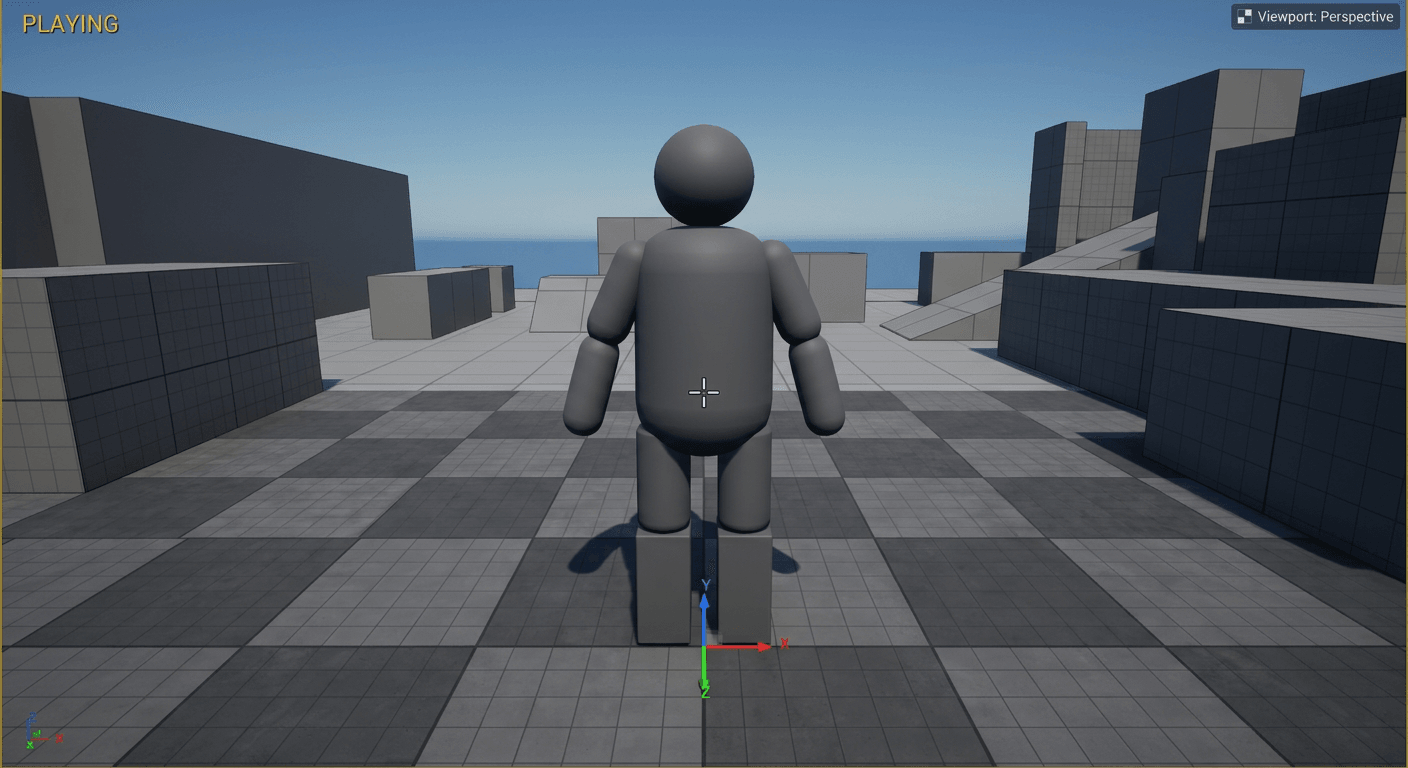
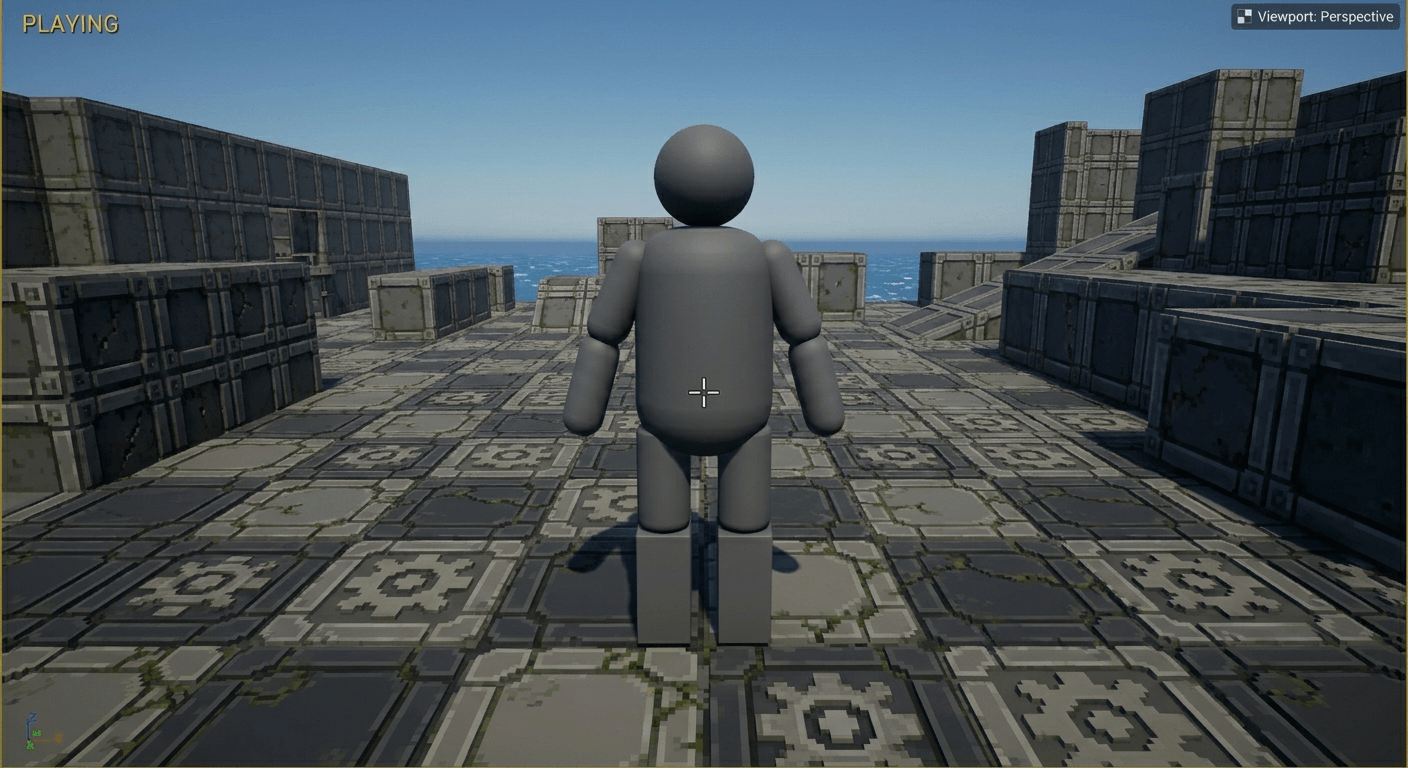
The Evolution of Voxel Art in Game Development
Voxel art, characterized by its volumetric pixels (voxels), has seen a massive resurgence in modern indie and mainstream game development. From the blocky landscapes that defined early sandbox games to the highly stylized, lighting-rich environments of contemporary isometric RPGs, voxels offer a unique aesthetic that bridges nostalgia and modern rendering techniques. However, the process to generate game-ready voxel floor assets has traditionally been labor-intensive, requiring specialized software and countless hours of meticulous block placement to achieve the right texture and depth.
At nano-banana-image-ai.com, we understand that ground textures are the foundation of your game's environment. Your players spend the vast majority of their time looking at the floor. If the terrain feels flat, repetitive, or uninspired, immersion breaks. That's why we have engineered our AI specifically to understand spatial grid limitations, isometric perspectives, and seamless tiling patterns inherent to high-quality voxel design.
Why Seamless Voxel Floors Matter
When building a level in Unity, Unreal Engine, or Godot, your floor assets must tile perfectly. A seam in a grassy field or a broken pattern in a dungeon tile can ruin the aesthetic. Generating voxel floor assets with Nano Banana Image AI ensures that the resulting images are optimized for modular game design. Our models are trained to output textures that align edge-to-edge, maintaining consistent lighting and shadow maps (ambient occlusion) across boundaries.